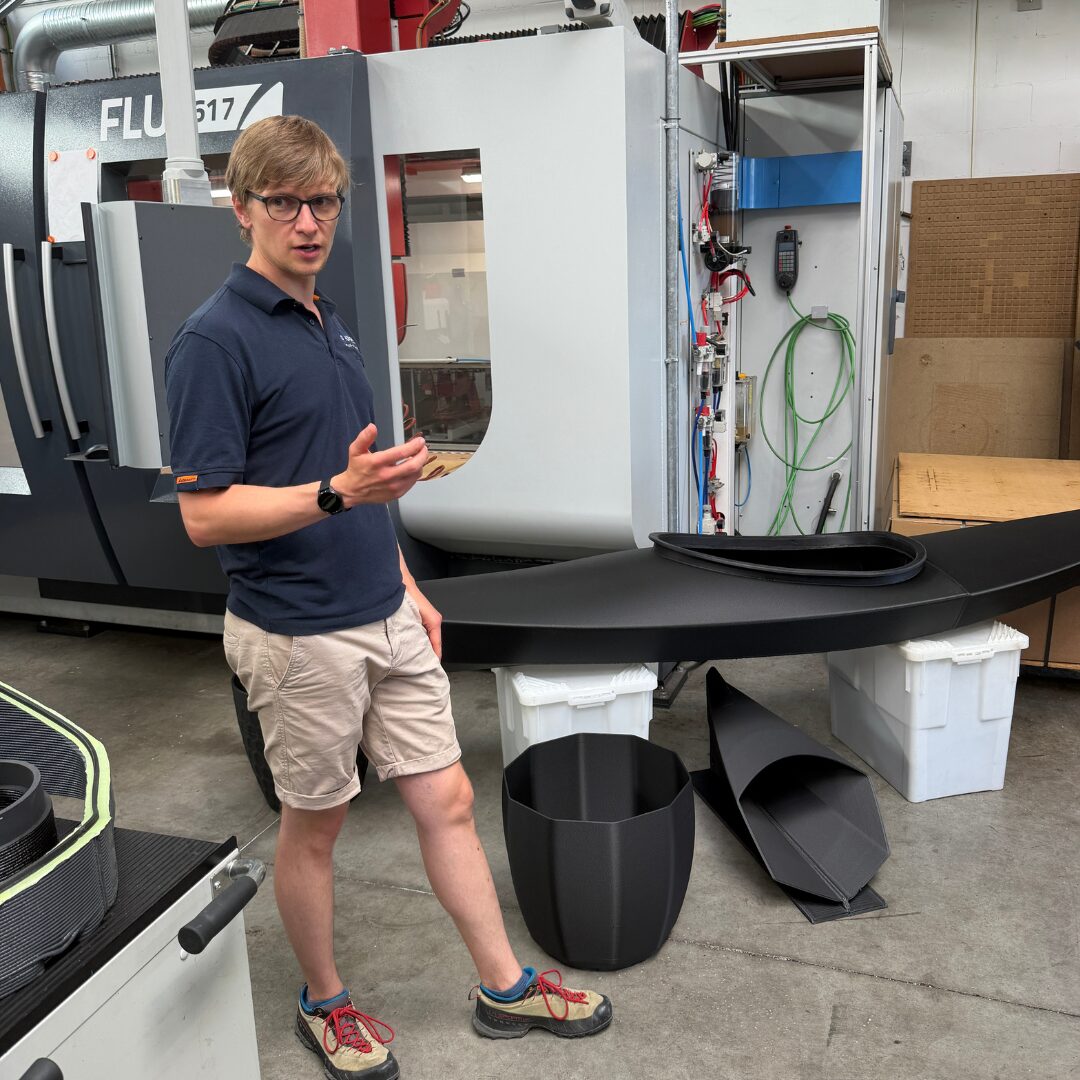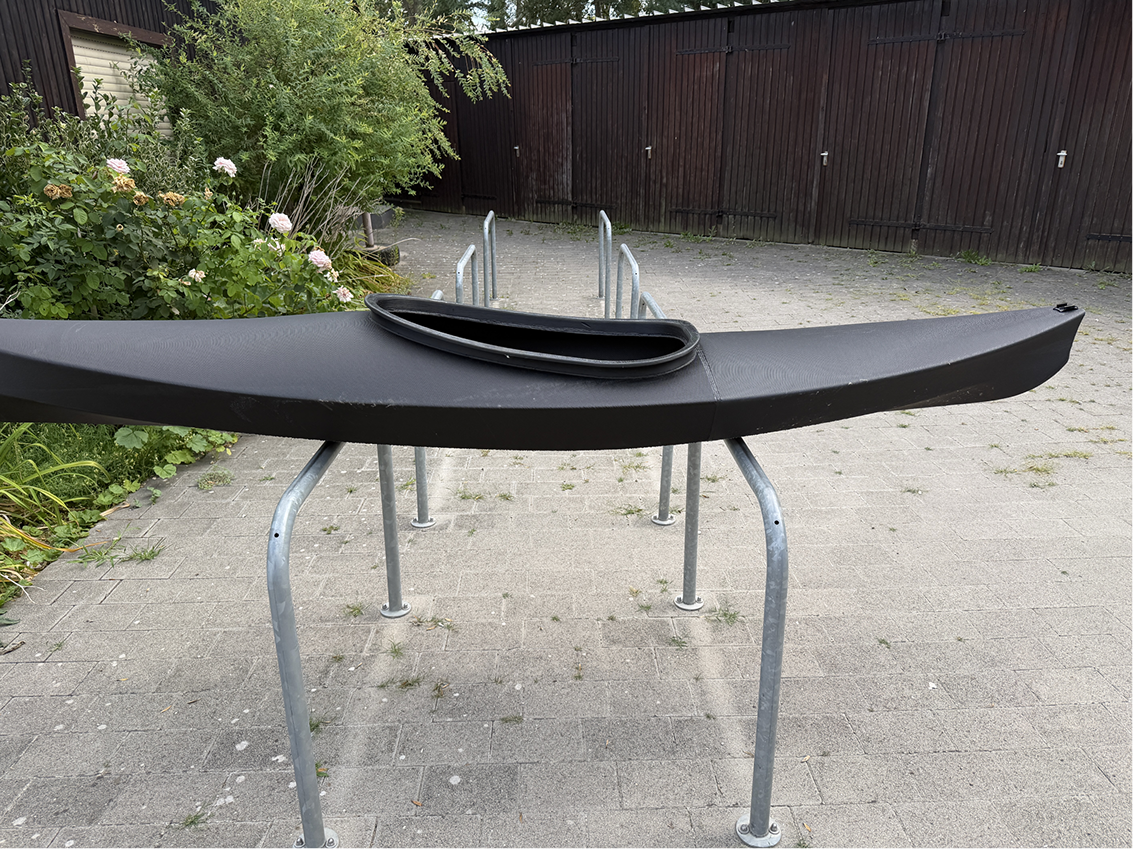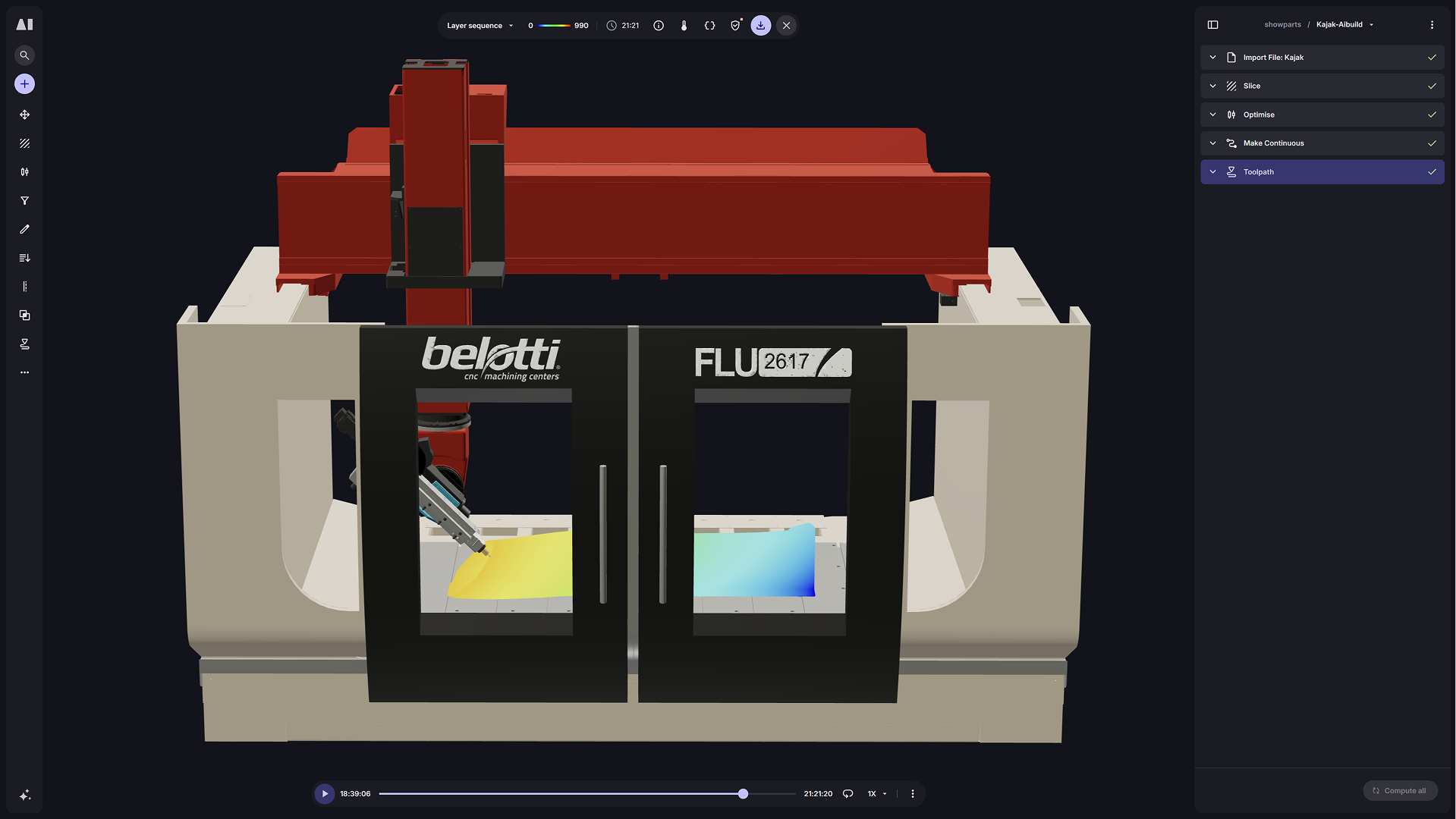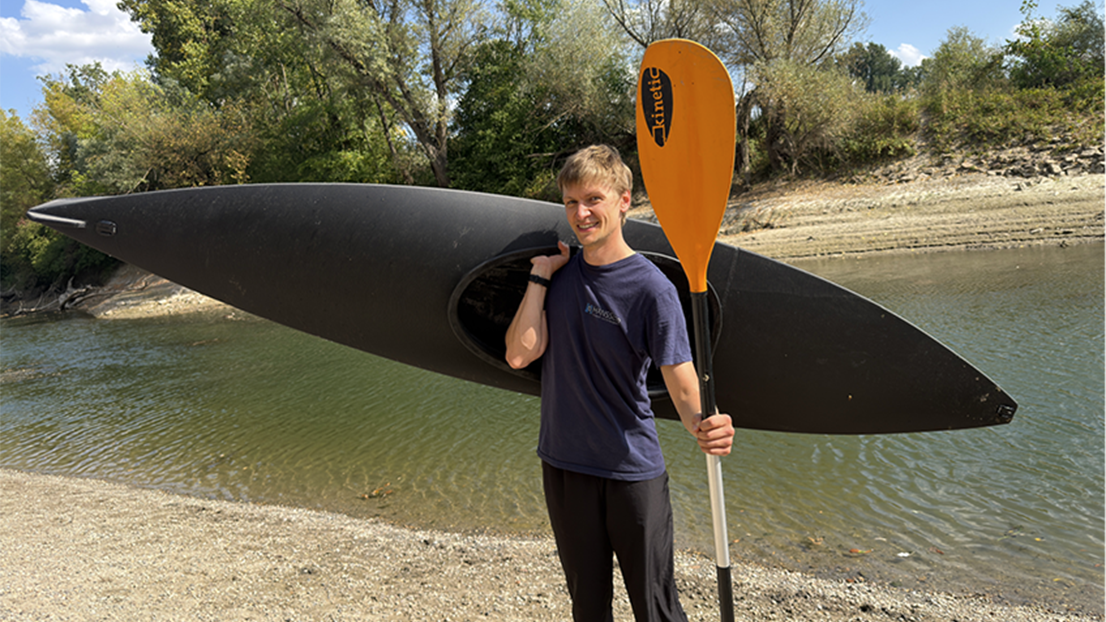
Testing the limits of LFAM kayak on the water.

11 August 2026
Author: Aimee-May Graham

Client success by Hänssler Kunststoff- und Dichtungstechnik GmbH

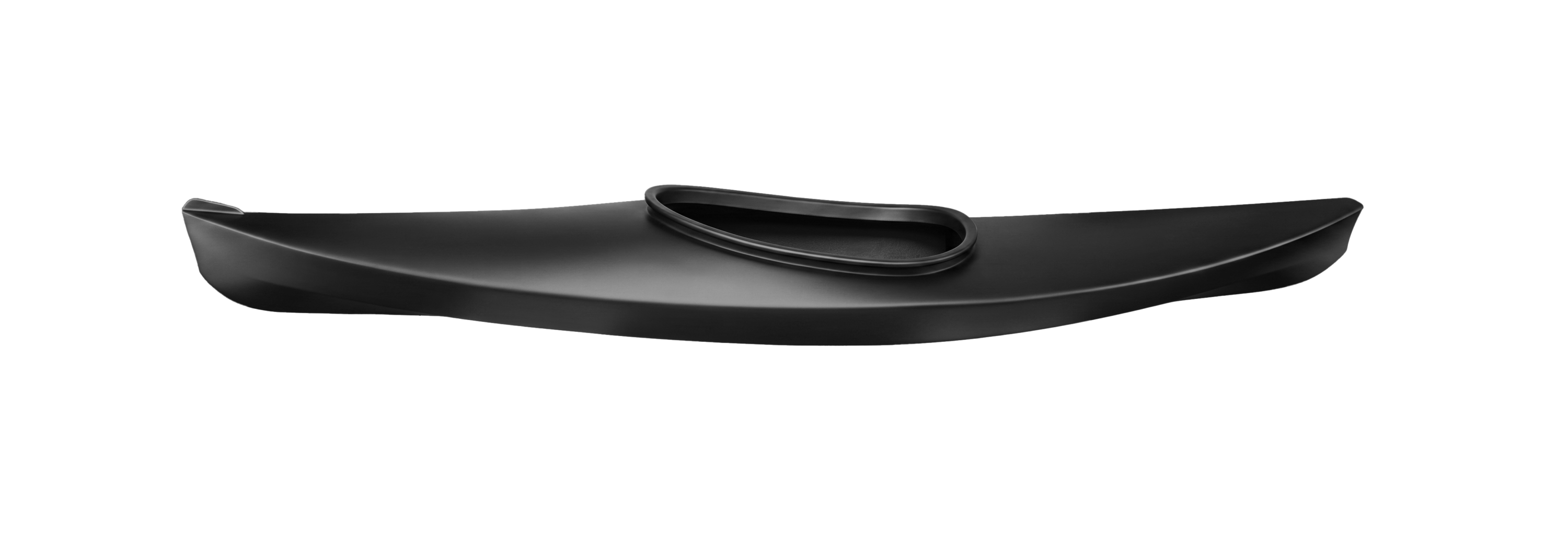
A kayak isn’t the obvious place to prove out a new manufacturing process, but for Hänssler Kunststoff- und Dichtungstechnik GmbH, it turned out to be one of the best. The German plastics and sealing technology specialist used Aibuild CAM, an Aibuild software for large format additive manufacturing (LFAM), to design and print a full-scale kayak in the final production material.

Hänssler described the reaction from one bystander who watched the kayak come out on the water: they were amazed it was printed at all. It’s the kind of reaction LFAM tends to get, because a part like this simply wasn’t possible to produce this way even a few years ago.

Why a kayak.

A kayak sits in the sweet spot between engineering complexity, material cost, and production time, making it an ideal test of both the manufacturing process and the part’s real-world performance once it hits the water. It combines several stages of plastics processing with what’s possible in additive manufacturing, in a single-part production run.
Designing functions straight into the part.

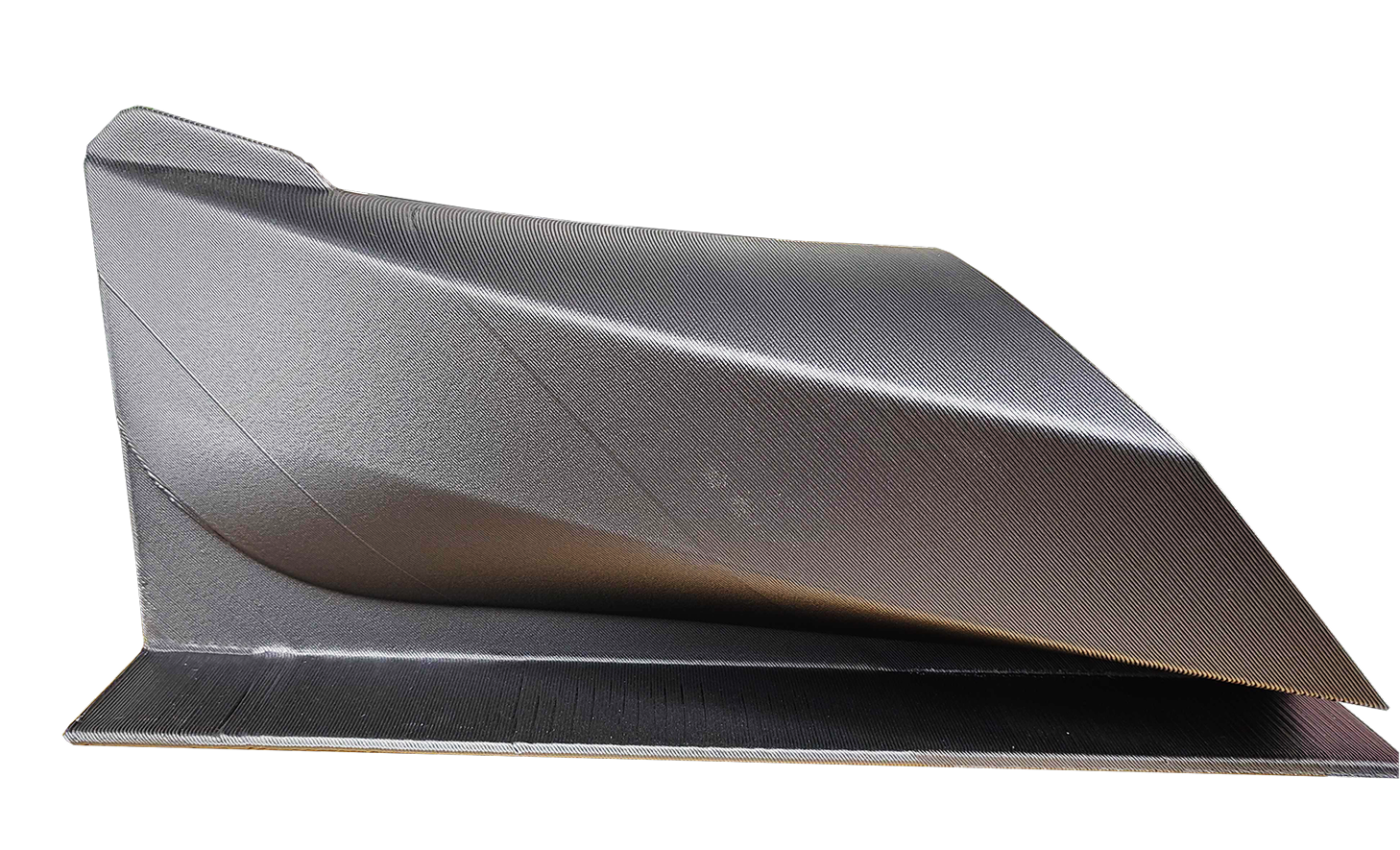
With LFAM, cavities, cable ducts, and mounting points can all be created while the hull itself is being printed, so there’s no separate assembly step afterward.

Hänssler’s team pointed to a striking example of where this leads: the same approach could be used to print the hull of an uncrewed surface vessel (USV) with the housings for its onboard electronics already built in, ready to receive components without a single bracket needing to be fitted afterward.

On the kayak itself, one of Hänssler’s engineers applied that same thinking, adding a small pocket into the hull so tools stay within reach on the water. It’s a simple detail, but it’s a good demonstration of what LFAM makes possible that conventional manufacturing methods generally don’t: designing function into the geometry itself, rather than bolting it on afterward.

Working within the limits.

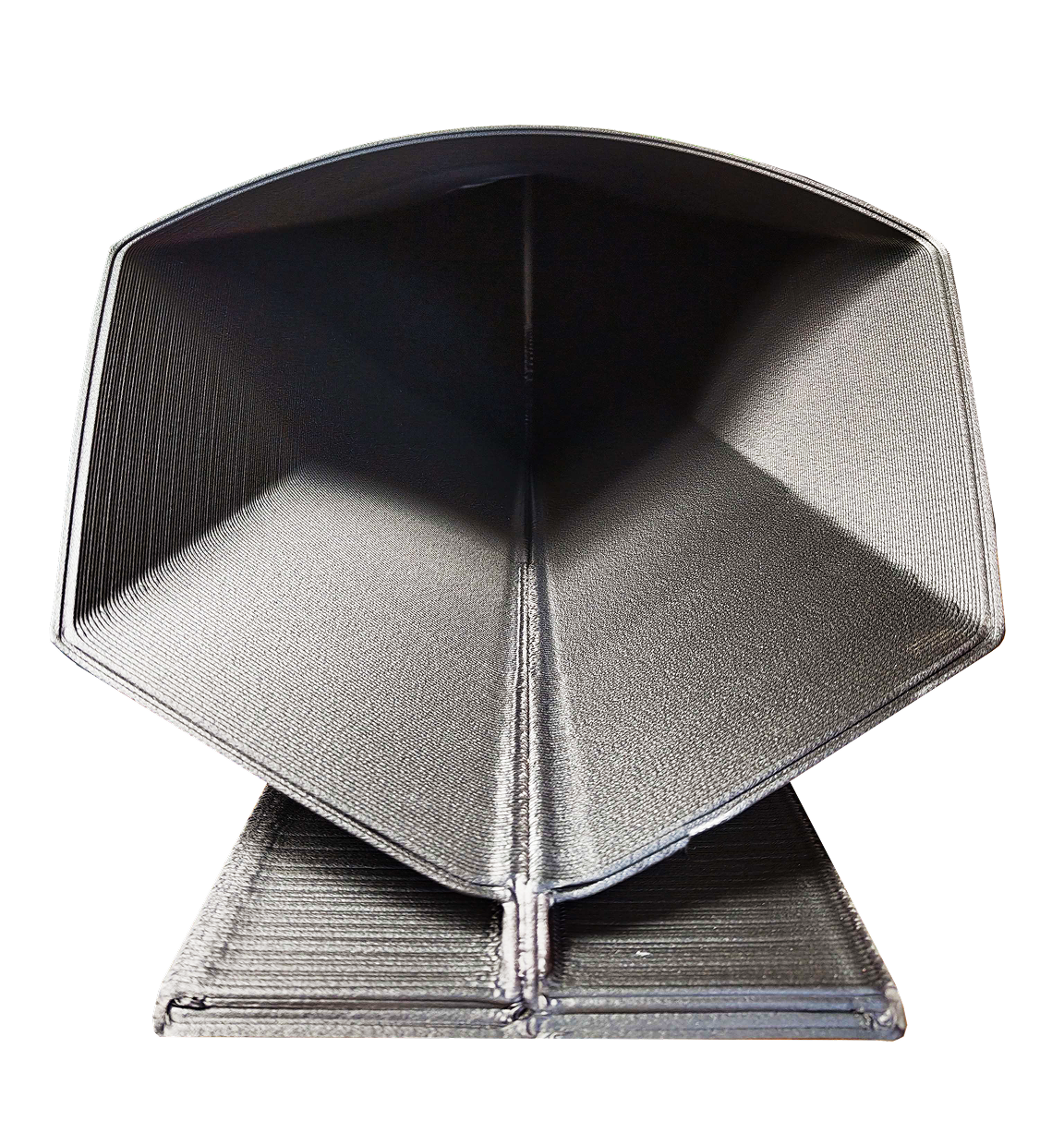
The kayak’s length exceeded the printer’s maximum travel, so the design was split into two parts and run as two separate workflows in Aibuild CAM, each tuned and optimised independently before the two halves were brought back together.

The part was printed in carbon fibre-reinforced polypropylene from AKRO, a glass-fibre-reinforced polypropylene chosen deliberately for its low density, an advantage when buoyancy is part of the job description. It’s also highly dimensionally stable, shows virtually no tendency to warp, has excellent inter-layer adhesion, and is weldable, all qualities that matter just as much once the kayak is in the water as they do on the print bed.

From print bed to finished kayak.

Once printing wrapped, the support foot used during the build was cut away and the surface sanded smooth. The two halves were welded together, an access opening was cut into the hull, and two externally manufactured components were bonded on to complete the design.

Printed with Aibuild CAM in around 33 hours at 2856 x 618 x 285 mm and weighing 20 kg, the finished part held its shape and its lines throughout, on the bench and on the water.

Why this matters for small batch production.

Conventionally, a kayak like this means blow moulding or centrifugal casting, both of which demand dedicated tooling before a single unit exists. Aibuild CAM removes that step entirely, taking a design straight from geometry to a robotic toolpath. That means no mould, no long wait between final design and finished part, and the freedom to test a functional prototype extensively in real-world conditions, then adjust the design again later without starting from scratch.

For Hänssler, and anyone producing at small batch volumes, that shift in cost, lead time, and design freedom is the whole point of moving to LFAM in the first place.

Why Aibuild CAM.

Hänssler’s kayak is a strong example of what happens when a manufacturer with deep plastics expertise gets access to the right software for the job. We’re proud that Aibuild CAM played a part in helping their team turn an idea into a part that could be taken out on the river, and we’re looking forward to seeing what they build next.

Key statistics.

Manufacturer: Hänssler Kunststoff- und Dichtungstechnik GmbH

● Material: AKROLEN PP® ICF 30 AM black (8344)

● Dimensions: 2856 x 618 x 285 mm (L x W x H)

● Weight: 20 kg

● Total print time: approximately 33 hours

● Workflow: split into two parts due to maximum machine travel

FAQ

What is Aibuild CAM?

Aibuild CAM is an Aibuild software for large format additive manufacturing (LFAM), used to generate and control robotic and gantry toolpaths for large-scale 3D printing.

Can Aibuild CAM be used for marine or maritime applications?

Yes. Aibuild CAM has been used to produce functional maritime prototypes, including a full-scale kayak printed in glass-fibre-reinforced polypropylene, chosen for its low density and buoyancy.

Can Aibuild CAM be used to build functional features directly into a printed part?

Yes. Aibuild CAM allows features like cavities, cable ducts, and mounting points to be created during printing, removing the need for separate assembly steps afterward.

Why use Aibuild CAM instead of blow moulding or centrifugal casting for small batch production?

Aibuild CAM removes the tooling stage entirely, taking a design straight from geometry to a robotic toolpath, which cuts lead time and cost for small batch runs and early-stage prototypes that would otherwise need a dedicated mould.

What materials work with Aibuild CAM for large format additive manufacturing?

Aibuild CAM supports a range of pellet and filament-based thermoplastics, including glass-fibre-reinforced materials such as PP ICF30, selected for properties like dimensional stability, weldability, and low warping at large scale.

About CEAD

CEAD develops and manufactures large format 3D printers. We help our customers with a successful implementation of large scale 3D printing.

About Belotti

High-performance multi-axis CNC machining centers, LFAM systems and waterjet cutting systems for different industries.

About AKRO

AKRO-PLASTIC is your specialist for innovative and application-orientated plastic compounds.