LabAM24 prints C103 rocket nozzles for KARI with Aibuild CAM.

27 October 2026
Author: Aimee-May Graham

Collaboration with LabAM24, developed for KARI (Korea Aerospace Research Institute)

Wire feedstock costs around 20% less than powder for additive manufacturing and gives over 95% material utilisation during printing, yet wire-based deposition case studies for C103, a costly niobium alloy used in rocket nozzles, remain scarce. KARI launched this project to close that gap.

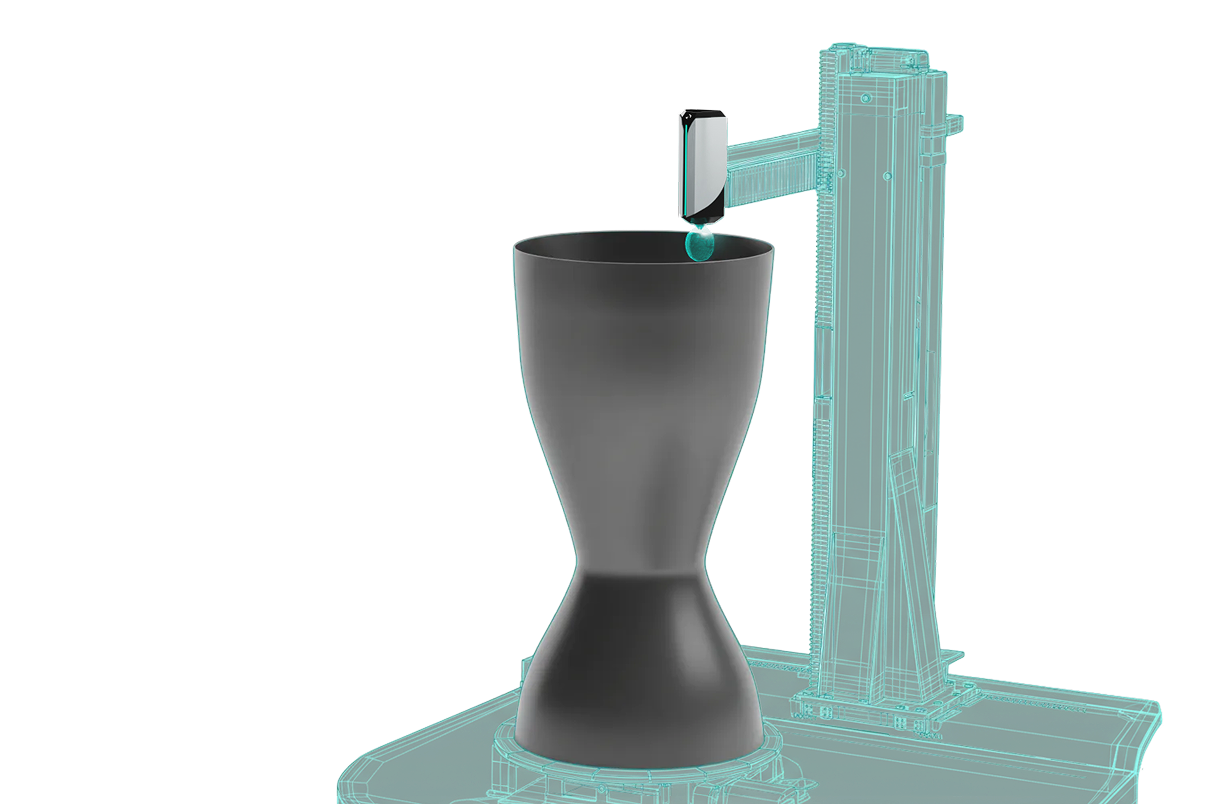
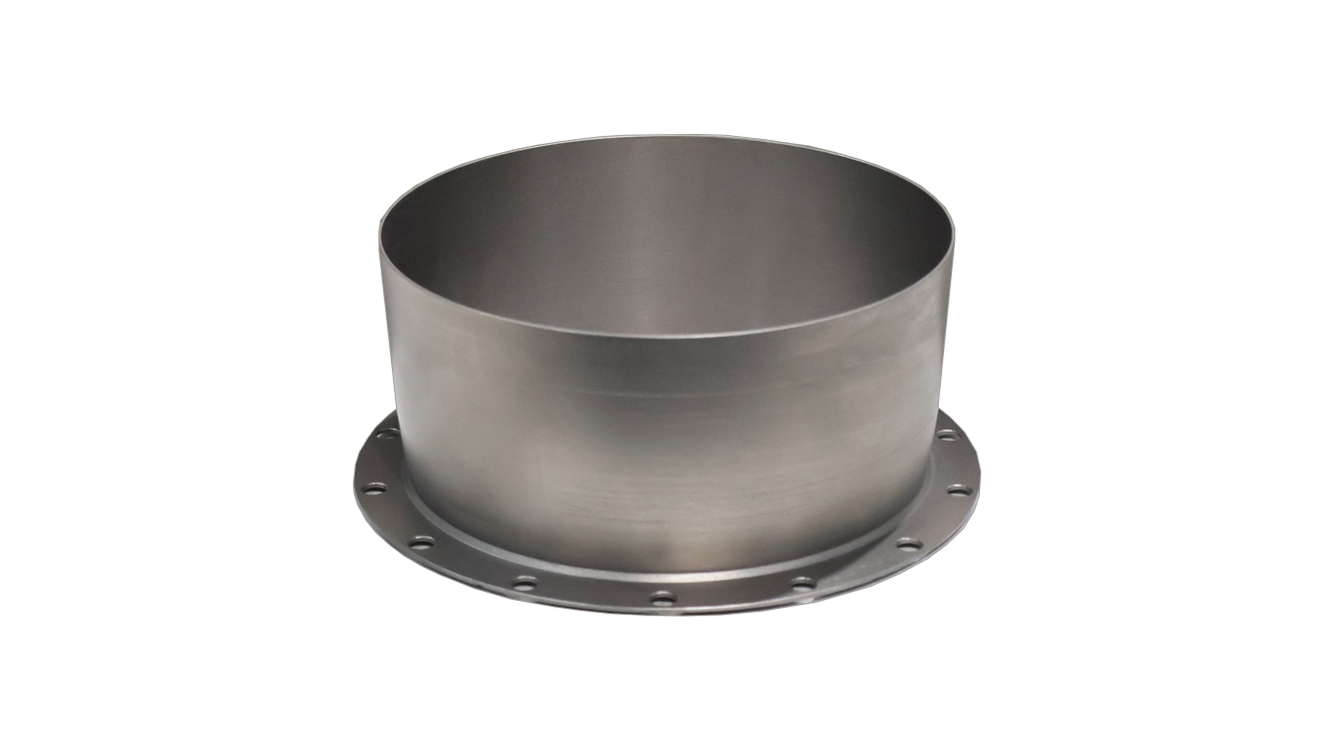
LabAM24 has delivered three C103 rocket nozzle components to KARI, printed on their in-house gantry-type laser-wire DED system with Aibuild CAM. Mechanical testing shows ultimate tensile strength of 470 to 495 MPa, yield strength of 378 to 445 MPa, and with elongation of 22.2 to 29.4%, all above the ASTM B655 minimum and comparing favourably to as-cast benchmarks.

When CAM and hardware need to work together.

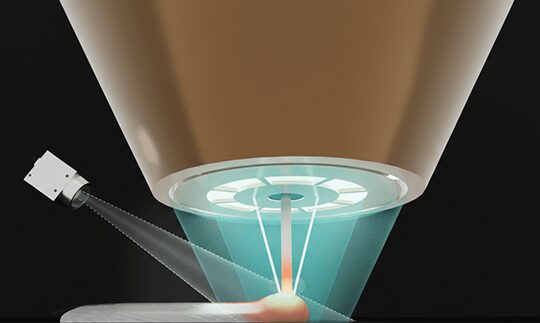
LabAM24’s Morphing Shield Technology (MST) replaces a sealed inert chamber with a portable inert environment, dynamically optimising argon gas flow to each part’s deposition geometry as it prints. That’s what makes their chamber-free process possible, but it means the CAM software has to compute the gas flow along with the toolpath, not just plan the toolpath.

Aibuild CAM’s flexibility let LabAM24 build that fully custom capability, with Aibuild’s team working closely with them through the customisation process. This capability currently exists only within LabAM24’s Aibuild-based workflow.
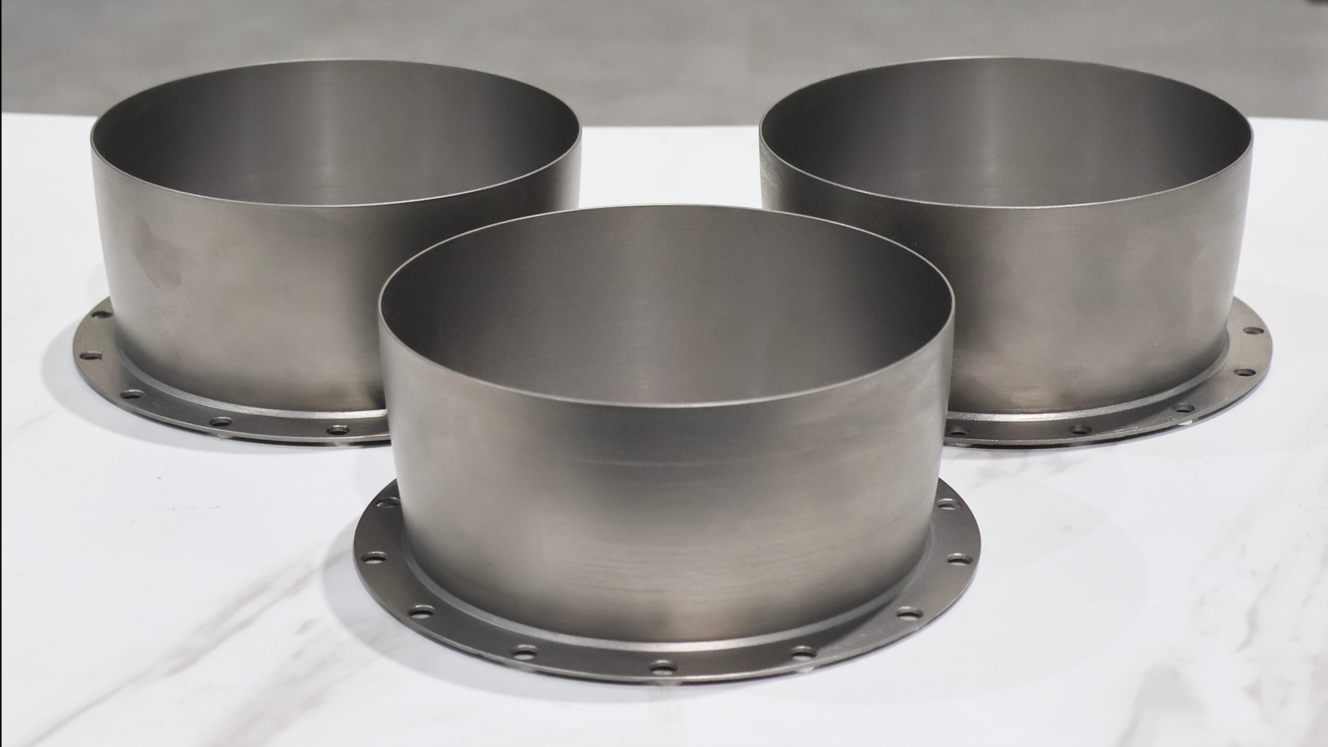
Why wire-DED over powder or traditional manufacturing for C103.

C103 is expensive, and both traditional manufacturing and powder-based additive manufacturing lose significant material and cost getting there. Wire-DED addresses that directly, with material utilisation exceeding 95%. LabAM24’s chamber-free approach also removes the size limitations of a sealed chamber, making larger parts possible.

Key stats:

● Parts delivered: 3
● Material: C103
● Wire diameter: 0.8mm
● Dimensions: ⌀150mm x 70mm (h) x 1mm (t)
● Mechanical properties: exceed ASTM B655 minimums and as-cast benchmarks across tensile strength, yield strength and elongation.

Key stats:

● Material: PLA mixed with dried coffee waste
● Print time: 3 hours
● Nozzle diameter: 4mm
● Dimensions: 465mm (height) x 380mm (width)
● Weight: 5.61kg

All three components have been delivered. They’re now awaiting the firing test stage from KARI, the next milestone before these results translate into a flight-qualified process.

FAQ

What material were the KARI rocket nozzle components printed from?

The components are printed from C103, a niobium alloy used in rocket nozzles, using wire-based directed energy deposition (laser-wire DED) rather than powder-based additive manufacturing.

Why use wire-DED instead of powder-based additive manufacturing for C103?

Wire feedstock costs around 20% less than powder and achieves over 95% material utilisation during printing, which matters for an expensive material like C103 where traditional manufacturing and powder AM both lose significant material and cost.

What is Morphing Shield Technology?

Morphing Shield Technology (MST) is LabAM24's proprietary process that replaces a sealed inert chamber with a portable inert environment, dynamically optimising the argon gas flow to each part's geometry during printing, removing the size limitations of a chamber-based system.

How did the mechanical properties of the printed parts compare to specification?

Testing showed ultimate tensile strength of 470 to 495 MPa and yield strength of 378 to 445 MPa, both above the ASTM B655 minimum, with elongation of 22.2 to 29.4%, also exceeding spec and comparing favourably to as-cast benchmarks.

What role did Aibuild CAM play in this project?

Aibuild CAM's flexibility allowed LabAM24 to build a fully custom capability that computes gas flow alongside the toolpath itself, a requirement specific to their chamber-free Morphing Shield Technology process

About LabAM24

LabAM24 is a research-driven manufacturing company based in Daejeon, South Korea, specialising in chamber-free laser-wire DED for reactive metals using its proprietary Morphing Shield Technology.

About KARI

The Korea Aerospace Research Institute (KARI) is South Korea’s national aeronautics and space agency, based in Daejeon, responsible for aerospace research and development including satellites, space launch vehicles and aircraft.