Robotic LFAM for luxury retail. How Arche3D manufactured a large scale display piece.

7 August 2026
Author: Aimee-May Graham

Client Success by Arche3D

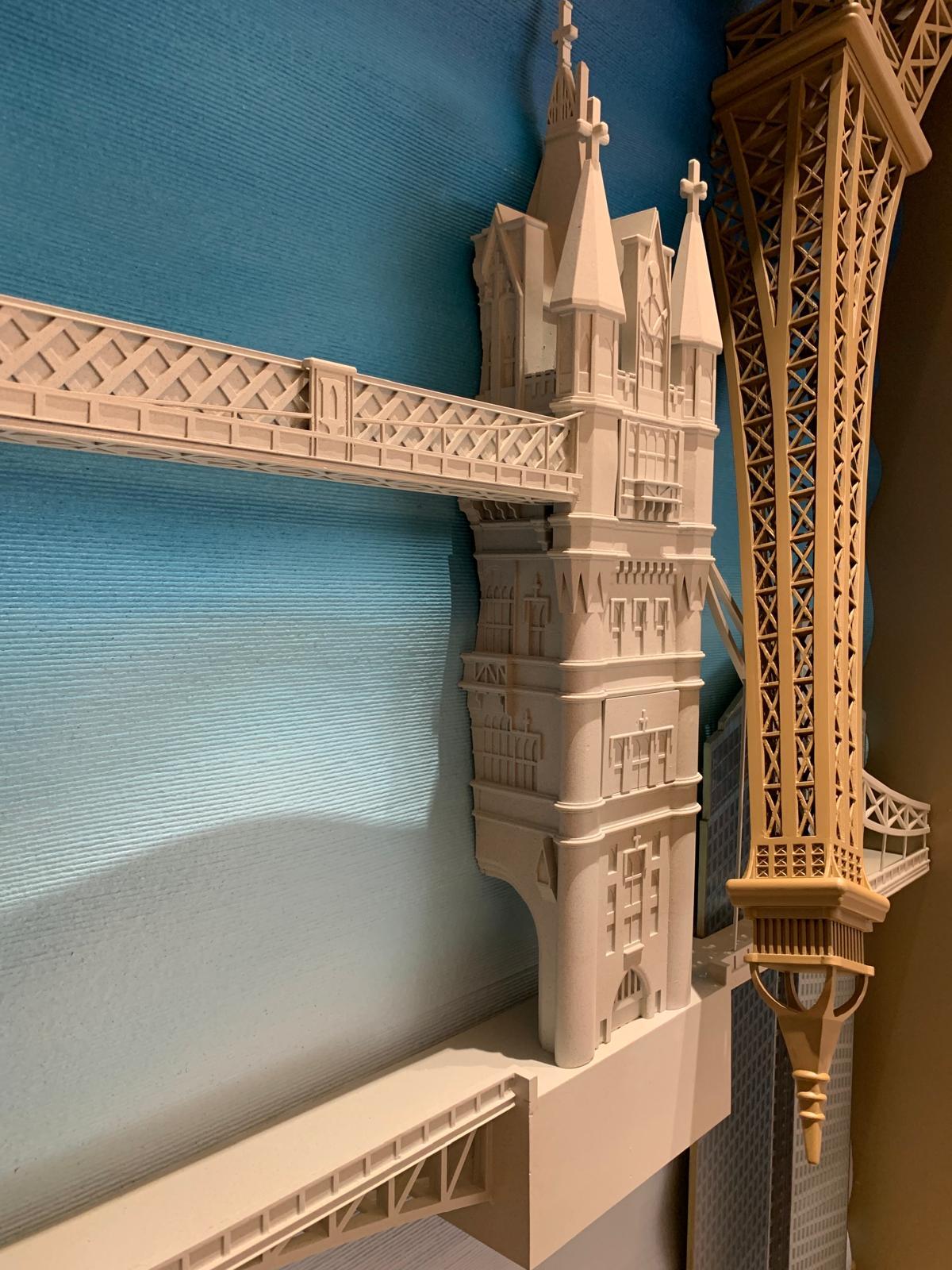
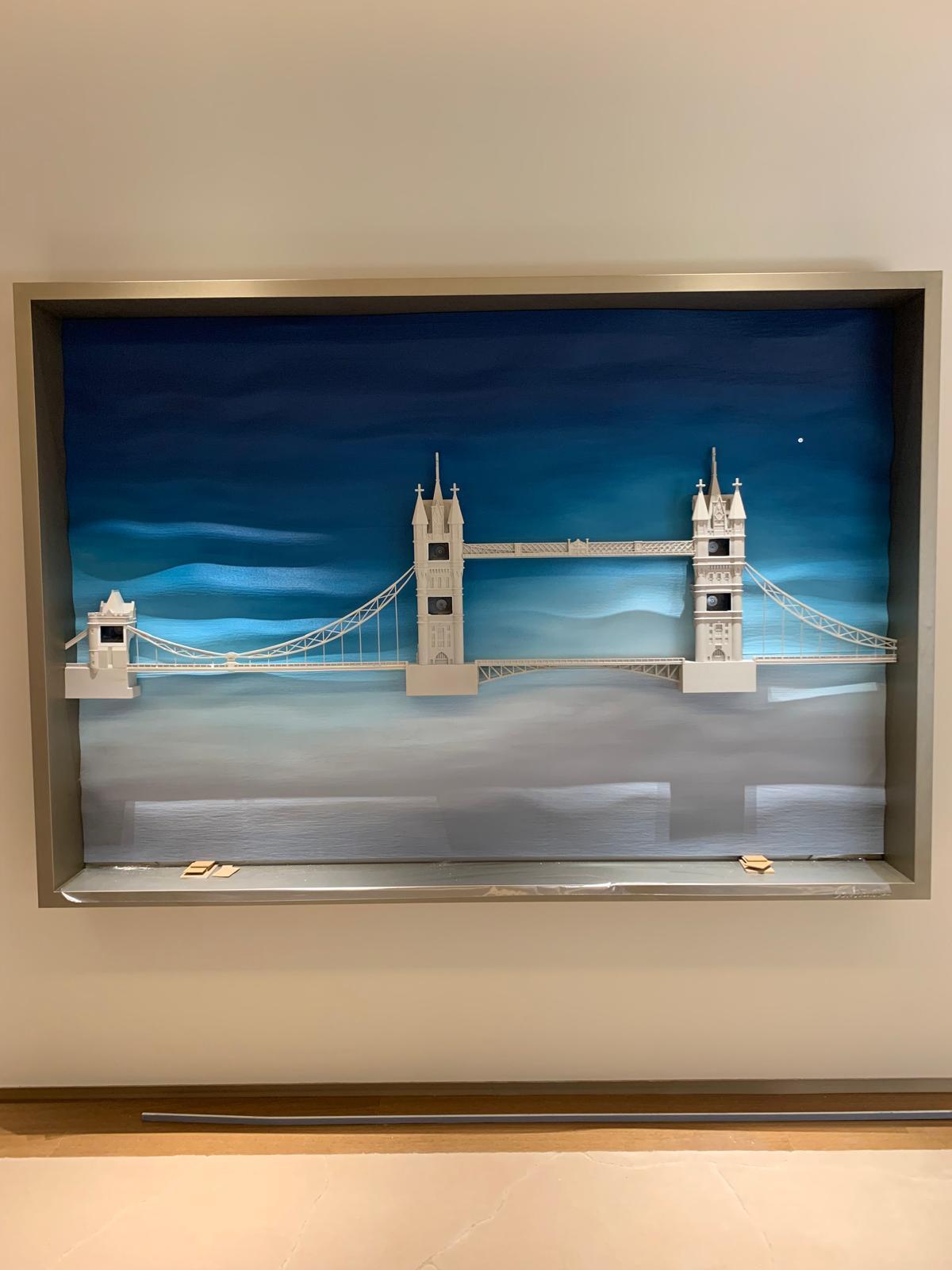
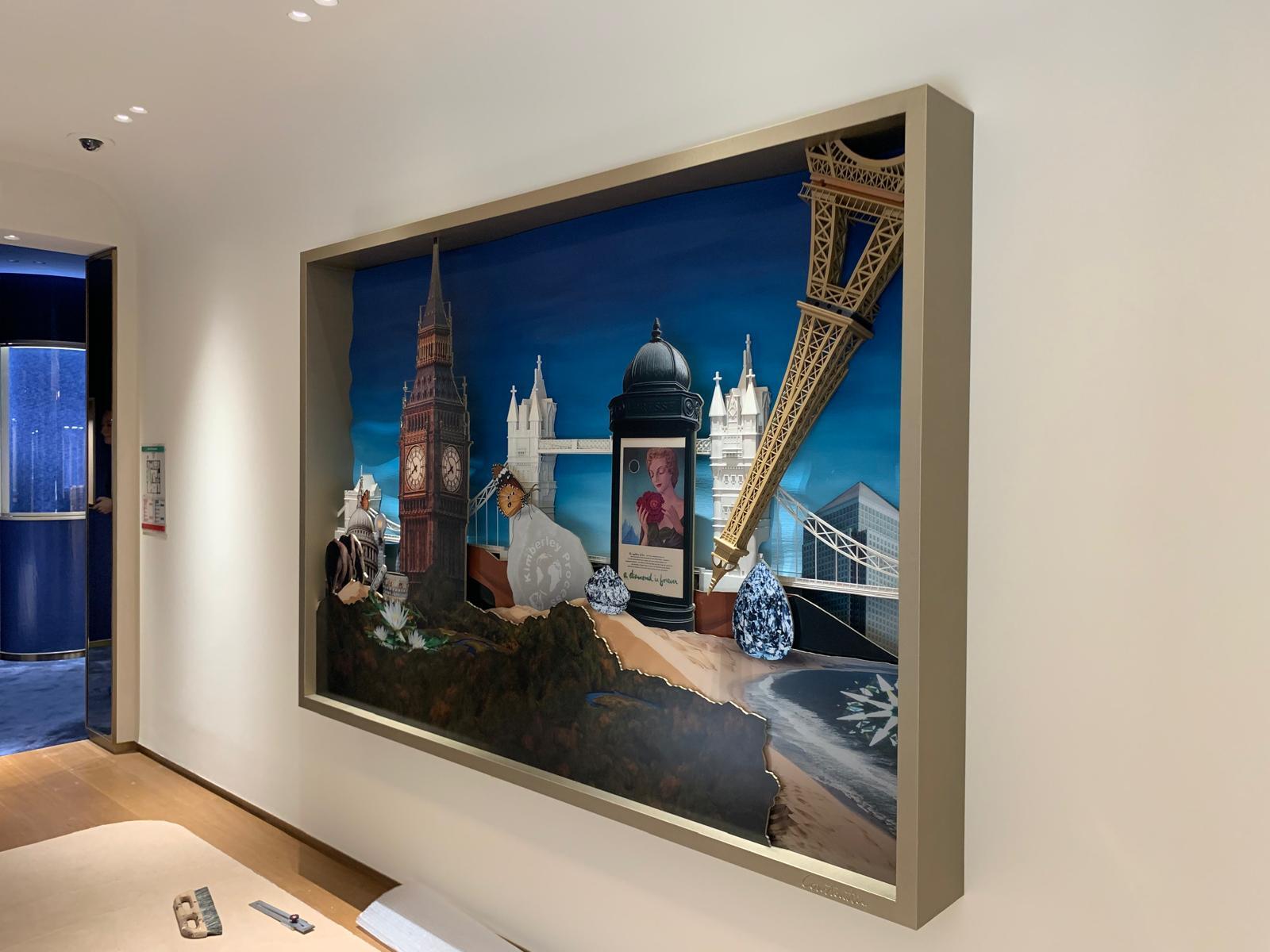
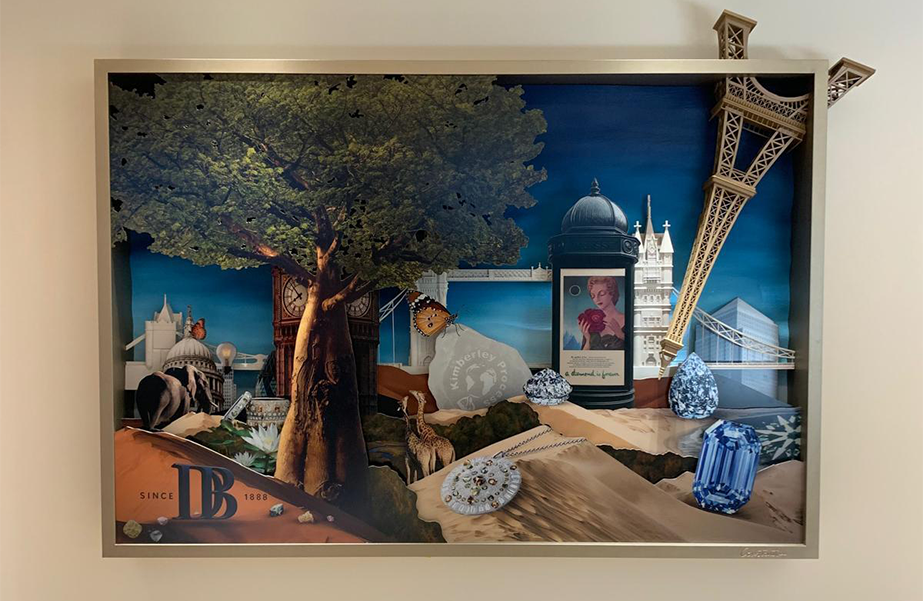
Arche3D was commissioned to produce a large-scale decorative display piece for a globally recognised luxury diamond brand, destined for a high-end retail installation. The project was developed in collaboration with designer Simone Serlenga.

Parts of this size and geometry are usually built from CNC-machined moulds, fibreglass laminations, or handcrafted composite structures, methods that mean dedicated tooling, longer lead times, and higher costs before a single part is finished. That wasn’t going to work here. The brief called for complex freeform geometry, tight dimensional accuracy, and an efficient turnaround, in parts light enough to handle, transport, and install without damage. Arche3D turned to large-scale robotic additive manufacturing instead, using Aibuild to go straight from geometry to production without cutting a mould or laying up a single ply.
Preparing the geometry.

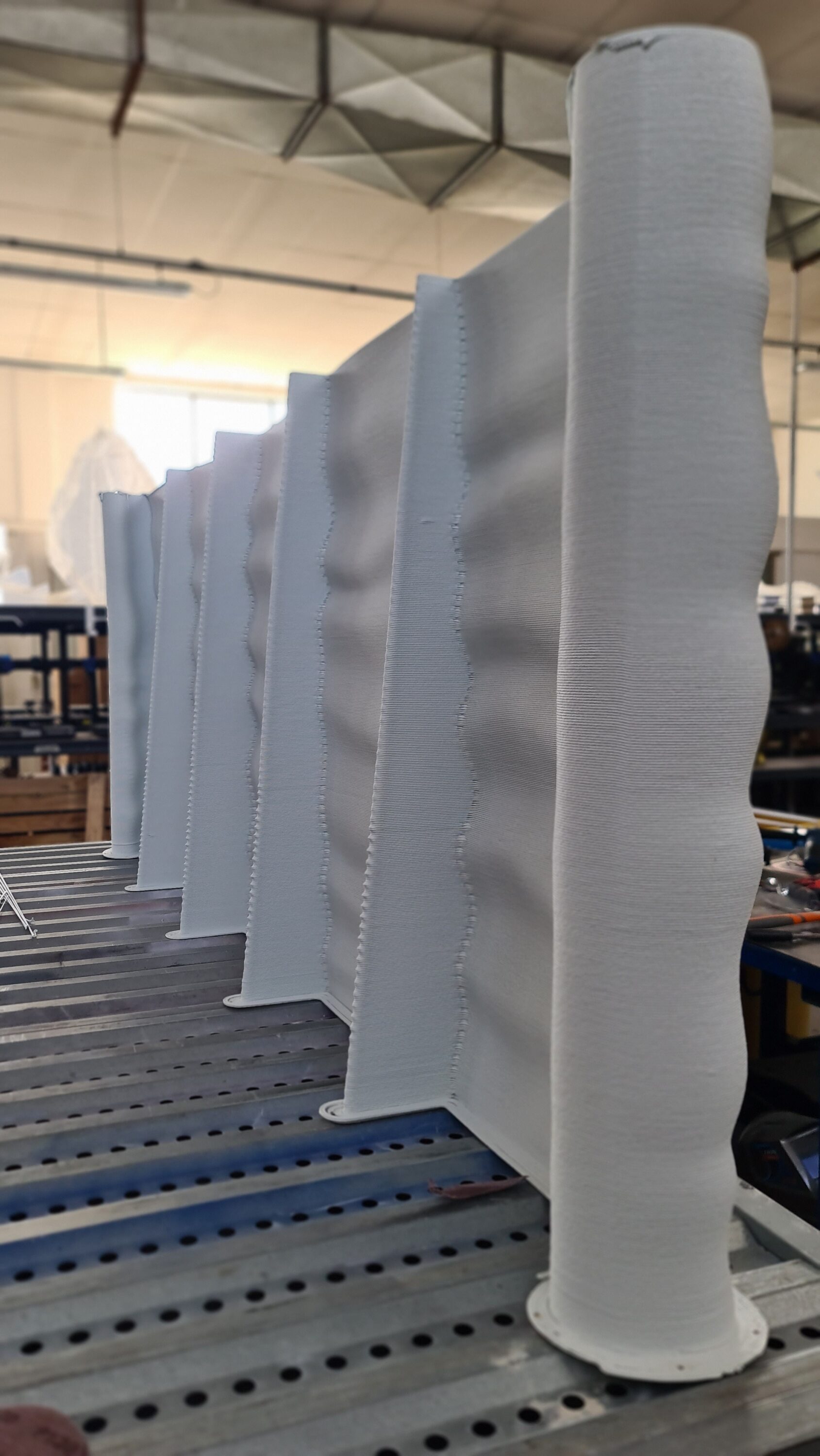
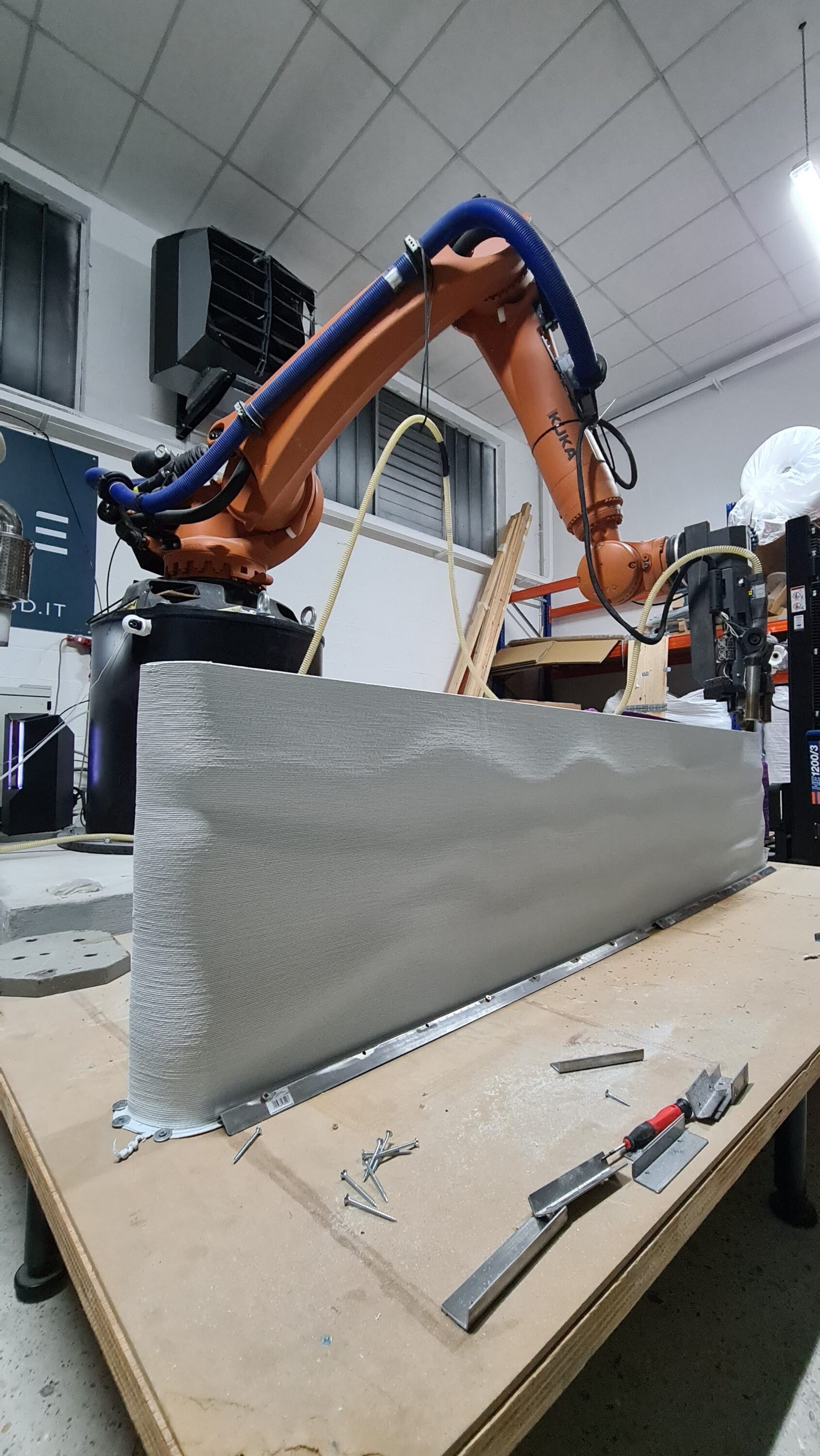
The design was reinforced with sacrificial stiffening ribs to support the structure through the build, then imported into Aibuild, where the slicing strategy and robotic toolpath were generated and optimised for Arche3D’s KUKA KR 3100 Ultra, fitted with a WASP XL pellet extruder and Cerebro control system. Aibuild CAM toolpath was exported directly to the robotic cell, ready for production, no tooling stage in between.

Printing at scale.

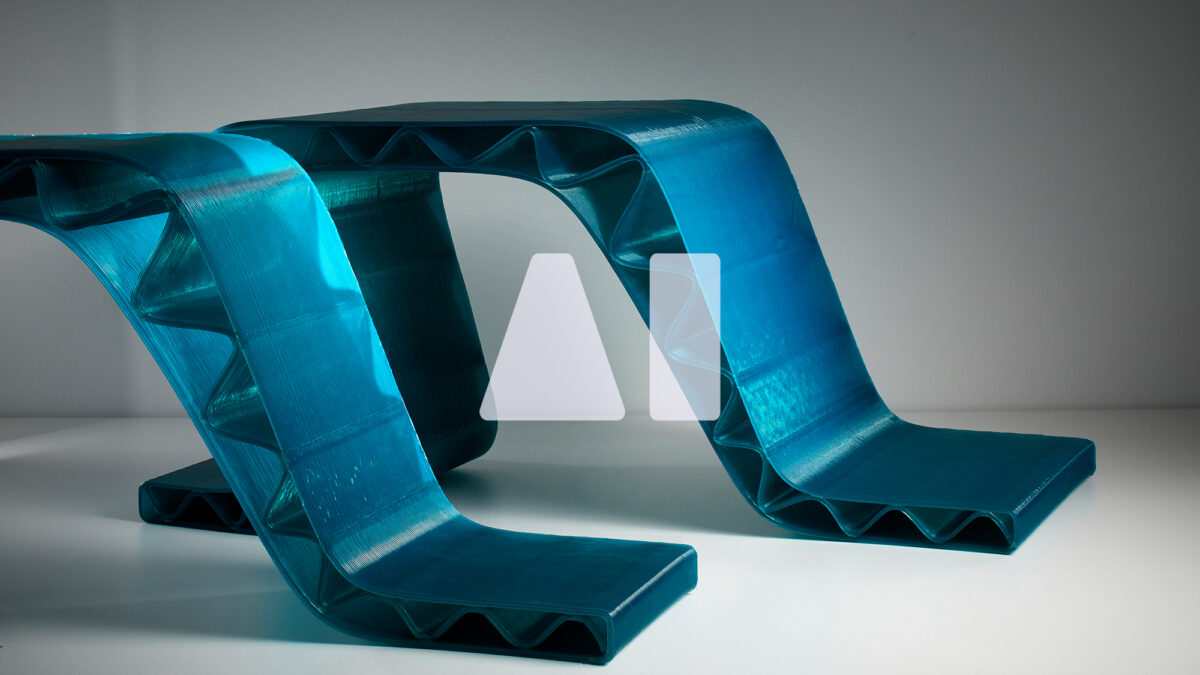
The parts were printed in Mitsubishi PETG GF30, a glass-fibre-reinforced material chosen for its structural stability at scale, built up in 2 mm layers through a 5 mm nozzle at 30 mm/s. Two parts were produced, for a total print time of around 36 hours.

The client wanted the layer lines left visible, so there was no room to hide an inconsistent surface under filler. Aibuild CAM toolpath control held process parameters steady across the entire build, keeping the finish consistent from the first layer to the last. Once printing was complete, the temporary ribs were removed and the parts were finished to the customer’s aesthetic requirements.

Why Aibuild CAM.

For a project like this, Aibuild CAM gave Arche3D:

● Efficient robotic toolpath generation for large-format additive manufacturing.

● Reliable code generation for the KUKA robotic cell.

● Flexible process parameter management.

● Stable production with the WASP XL pellet extrusion system.

● Reduced programming time compared to conventional robotic offline programming.

By removing the tooling stage entirely, LFAM gave Arche3D high design freedom on a complex geometry, faster iteration, and a lightweight, structurally stable result, all on a schedule that traditional mould-making couldn’t have met.

Key statistics.

Printer: KUKA KR 3100 R3100 Ultra

● Extruder: WASP XL Pellet Extruder + Cerebro

● Material: Mitsubishi PETG GF30 (30% glass fiber)

● Layer height: 2 mm

● Nozzle diameter: 5 mm

● Printing speed: 30 mm/s

● Number of parts: 2

● Total printing time: approximately 36 hours

● Internal structure: integrated sacrificial stiffening ribs, removed after printing

● Post-processing: removal of temporary ribs, followed by finishing to the customer’s aesthetic requirements

Final thoughts.

Working with Aibuild, Arche3D delivered two lightweight, dimensionally accurate parts in around 36 hours of print time, with a visible-layer finish ready to stand in front of the brand’s customers, without a mould in sight.