NIAR Validates Thermal Simulation for Aerospace Wire Arc DED

27 March 2026

CAM-integrated thermal simulation with 3.2% prediction accuracy — validated for production metal additive manufacturing

Thermal Control: The Barrier to Aerospace Wire Arc DED

The National Institute for Aviation Research (NIAR) at Wichita State University validates and de-risks advanced manufacturing technologies before they reach aerospace production floors. Serving U.S. aerospace manufacturers, NIAR creates standardized certification pathways that enable production adoption of emerging technologies.

Central to NIAR’s mission is replacing 12–18 month forging lead times with 2–4 week manufacturing cycles using metal additive manufacturing via Wire Arc DED, while reducing material waste by up to 70% through improved buy-to-fly ratios.
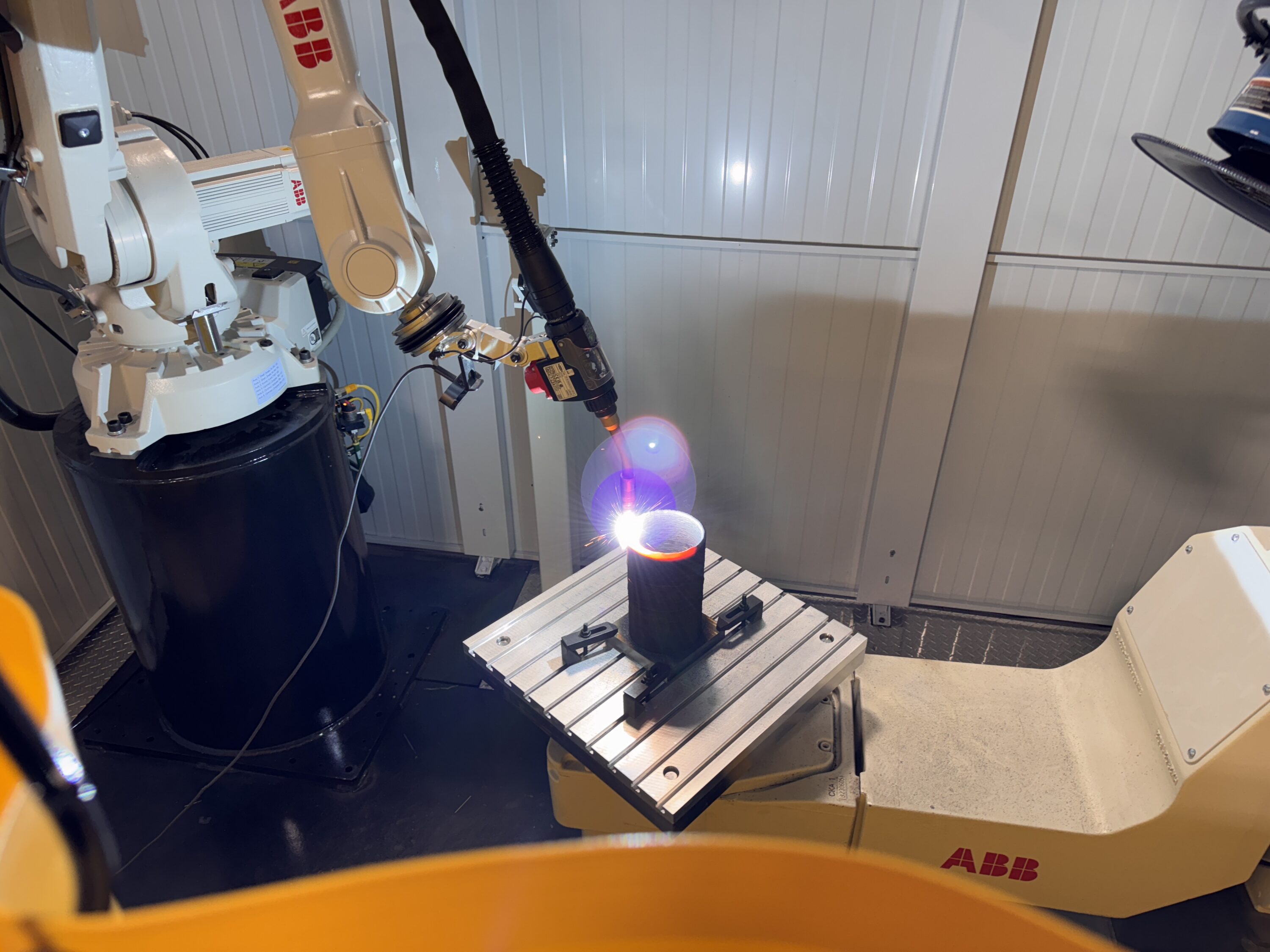
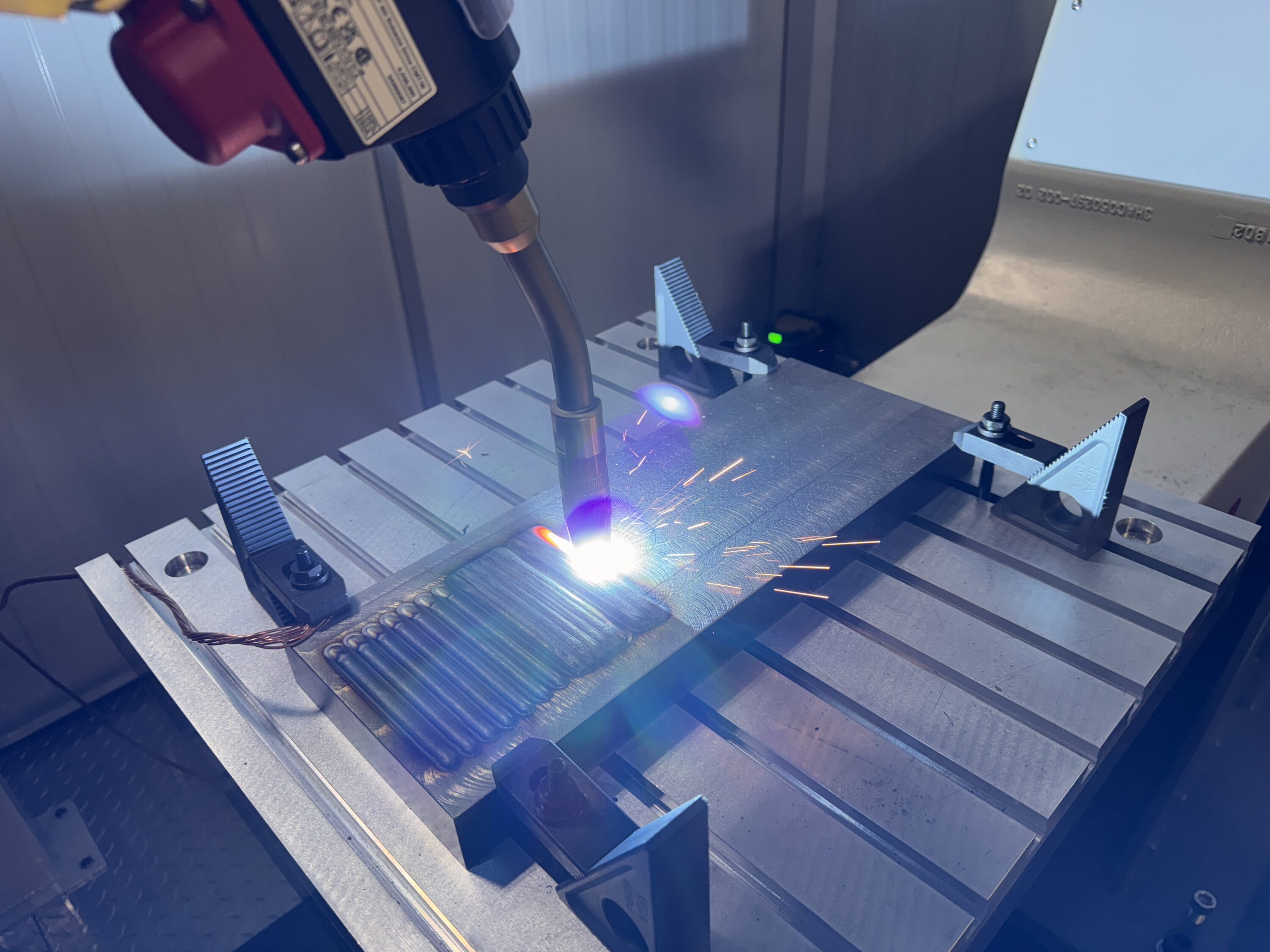
However, uncontrolled thermal behaviour emerged as the decisive challenge preventing Wire Arc DED from reaching aerospace production. Failed builds waste expensive aerospace-grade materials and machine time. Long trial-and-error development cycles delay parts. Without predictable thermal control, manufacturers face unacceptable risk.

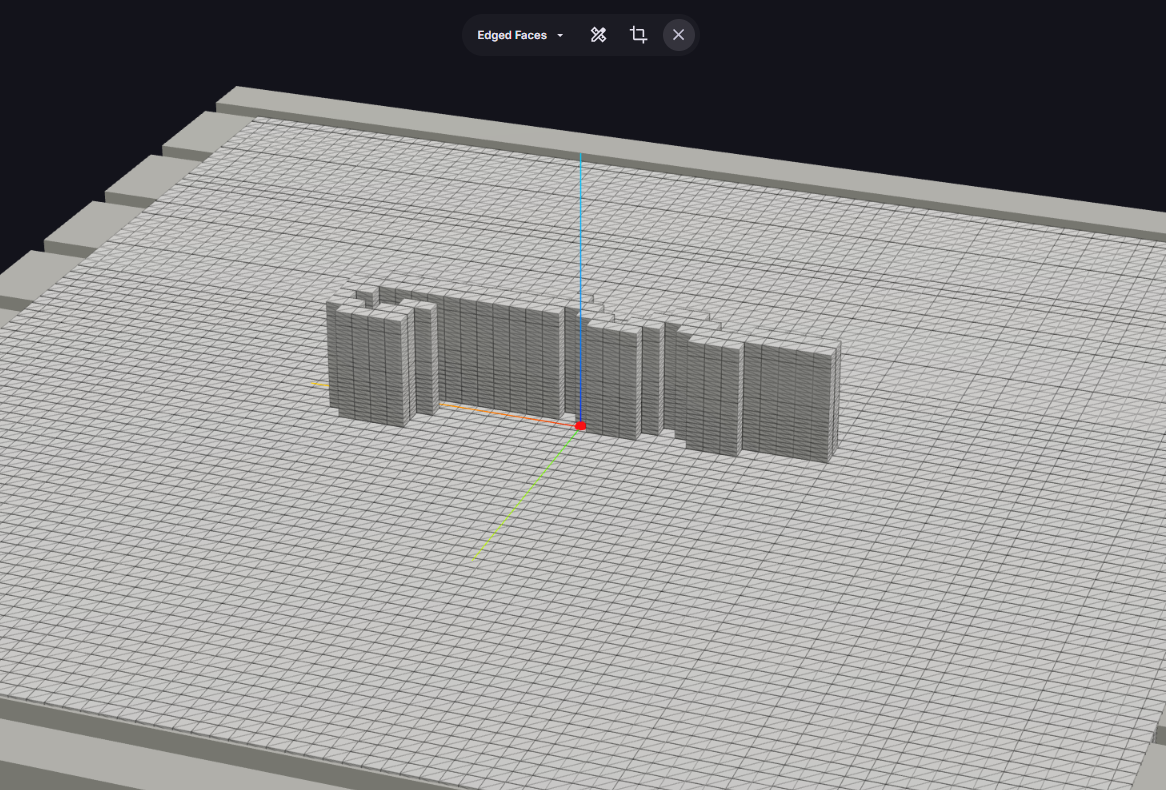
Existing FEA simulation tools each have their own drawbacks. They operate outside the CAM environment, requiring engineers to manually rebuild layers and generate a separate FE mesh in a dedicated tool. This adds significant time and effort to every iteration cycle. For smaller aerospace manufacturers and research institutes without access to a high-core HPC, accurate thermal simulation has been out of reach entirely: a fully specified HPC can cost $1.2M in initial capex. Teams needed thermal prediction that was accurate, accessible, and integrated into the manufacturing workflow.

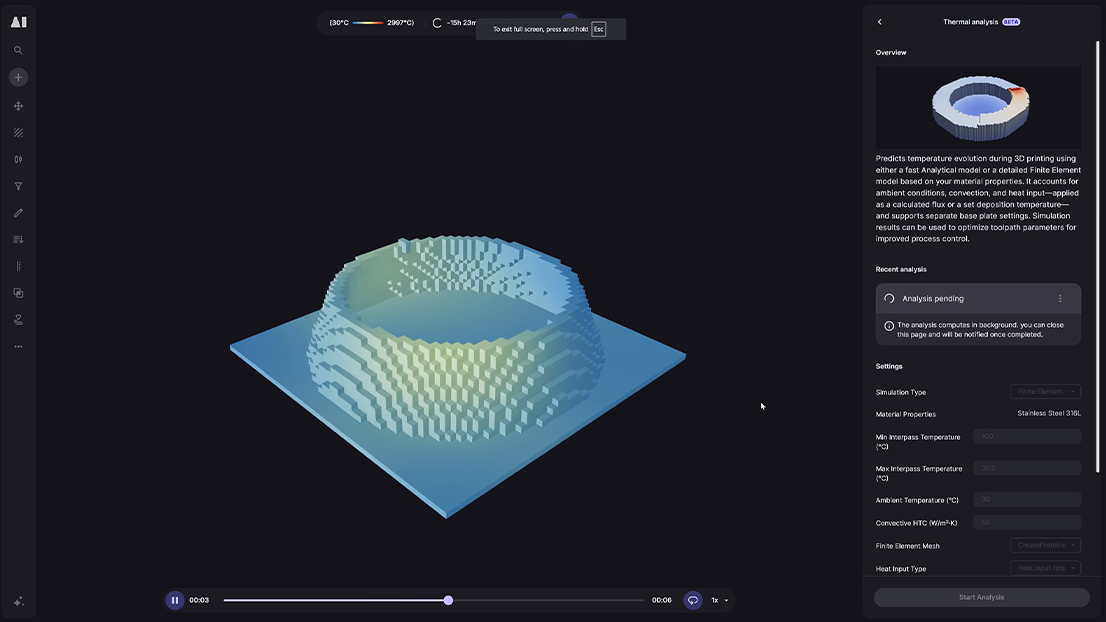
The Solution: NIAR validated Aibuild’s Finite Element Thermal Simulation (FETS) to provide aerospace manufacturers with a validated thermal control technology needed to adopt Wire Arc DED with confidence.

Target Applications

These are the aerospace applications NIAR is working to qualify Wire Arc DED for. They represent the next frontier for the technology once thermal process control is in place.

Structural Components: Six-meter wing ribs and spars with 70% buy-to-fly improvements. Titanium pylon brackets and landing gear assemblies. Integrally stiffened bulkheads replacing traditional multi-part assemblies.

Sustainment: Legacy replacement parts for systems no longer in production. Digital twin programmes enabling rapid manufacturing of critical components facing long forging lead times.

Tooling: Large-scale composite layup molds in invar and steel. Custom welding fixtures and alignment jigs. Wind tunnel test models.

The Aibuild FETS Solution: Enabling Faster Development Cycles

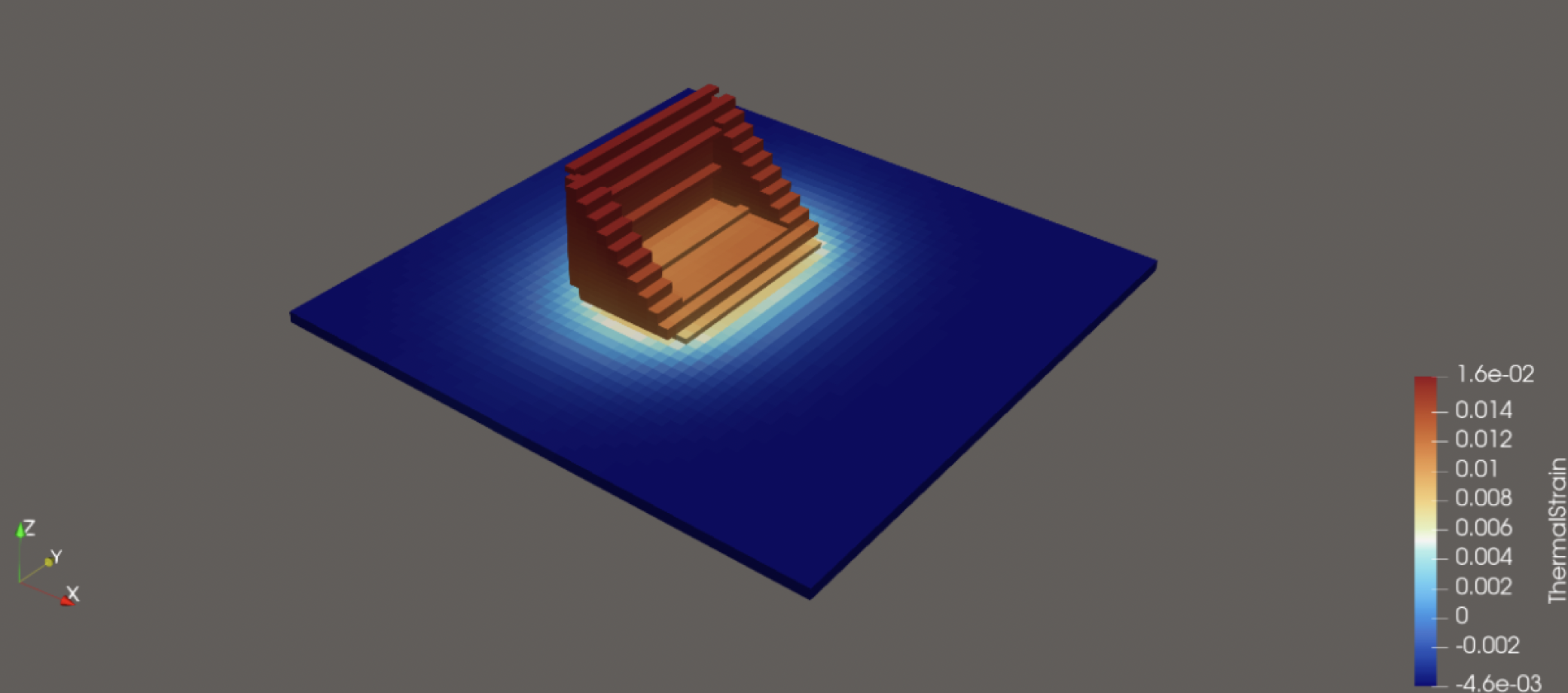
CAM-Integrated Workflow Automatic mesh generation from toolpath data eliminates manual export and file transfers. The optimisation loop – simulate, detect violations, adjust parameters, verify – happens seamlessly within the CAM environment. Engineers iterate faster because thermal analysis and toolpath planning work together, not as disconnected processes – keeping geometry, toolpath, and simulation data connected and traceable in one digital thread.

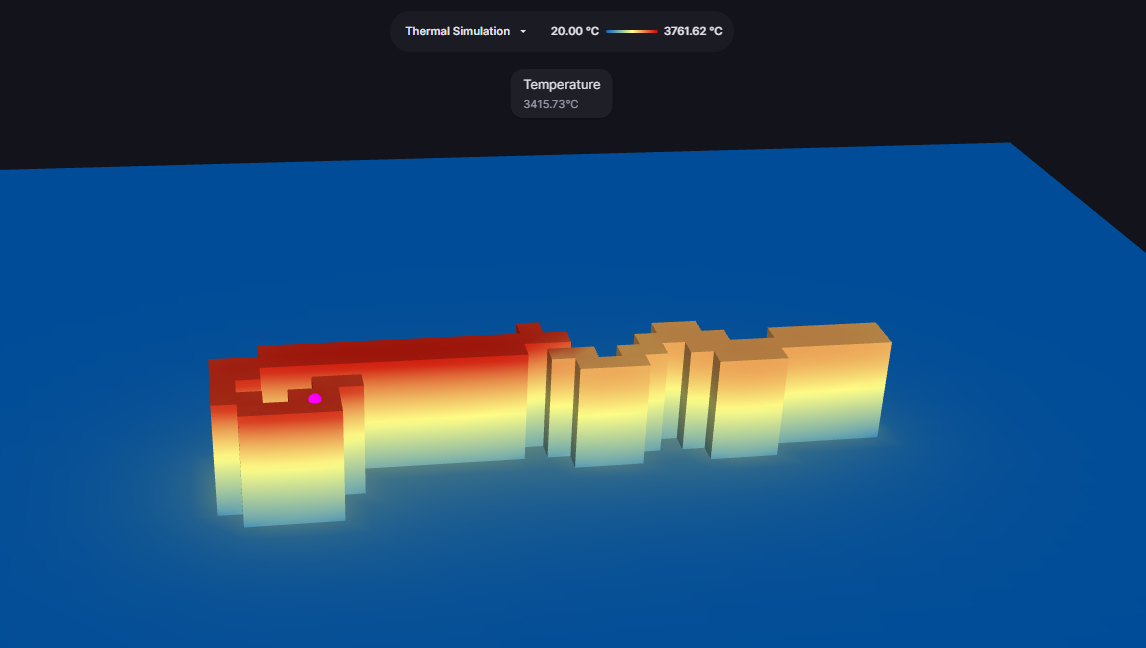
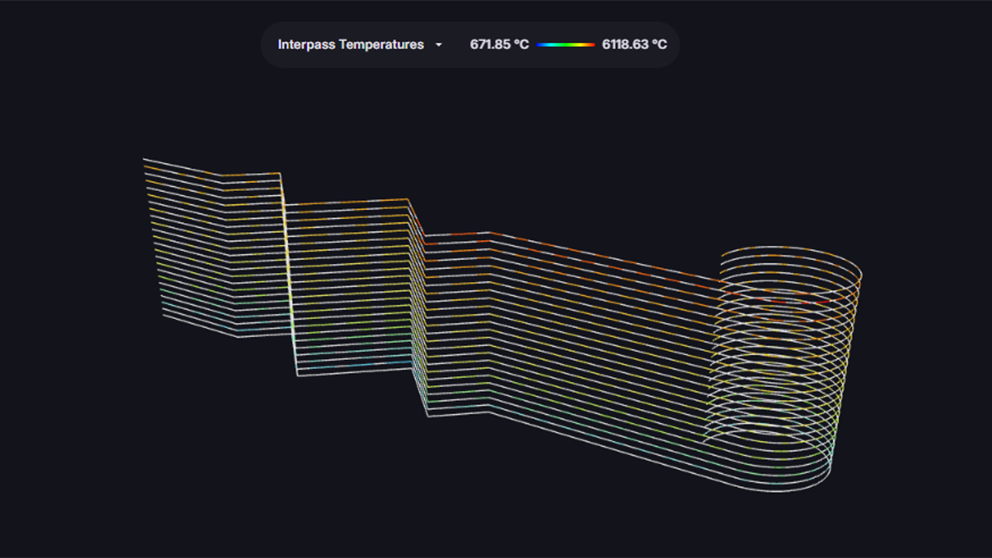
Automatic Thermal Optimisation Software identifies out-of-bounds layers and automatically adjusts wait times, deposition speeds, and process parameters to bring all layers within specification. This closed-loop optimisation removes guesswork, enabling right-first-time builds.

No FEA Expertise Required FETS does not require deep FEA expertise. The interface is designed to be accurate without being complex. There are few parameters to configure, and the defaults are optimised to deliver reliable results without specialist knowledge. Once validated, any AM operator or engineer can use it to predict layer temperatures for new parts before committing to a build. There is no need to manage multiple software licences, convert file formats, or maintain a separate simulation environment – the thermal analysis happens inside Aibuild CAM, where the CAM engineer or machine operator already works.

No HPC Required Because FETS runs on cloud-based GPU compute, it eliminates the need for expensive on-site hardware. Smaller aerospace manufacturers and research institutions can now run high-fidelity FEA thermal simulation as part of their standard workflow

Validation Results

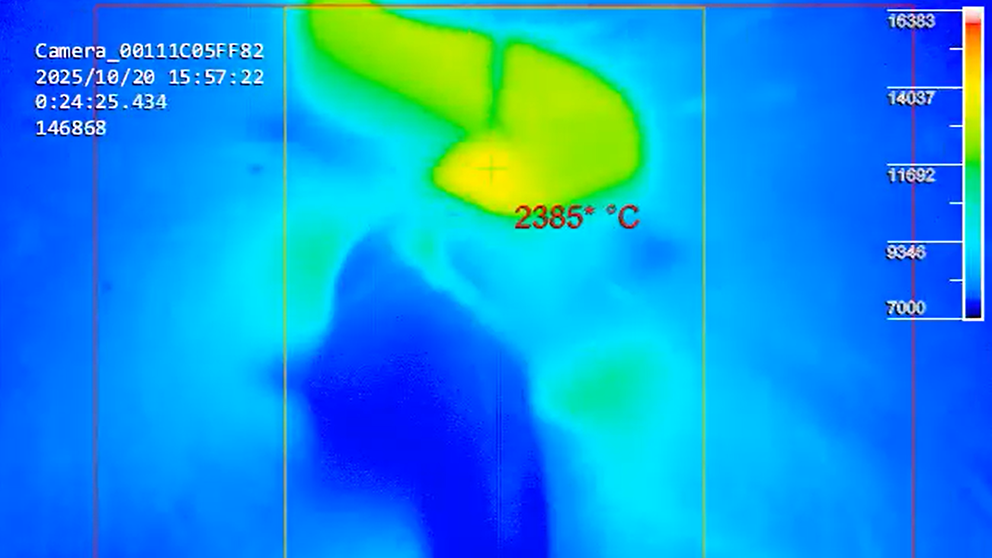
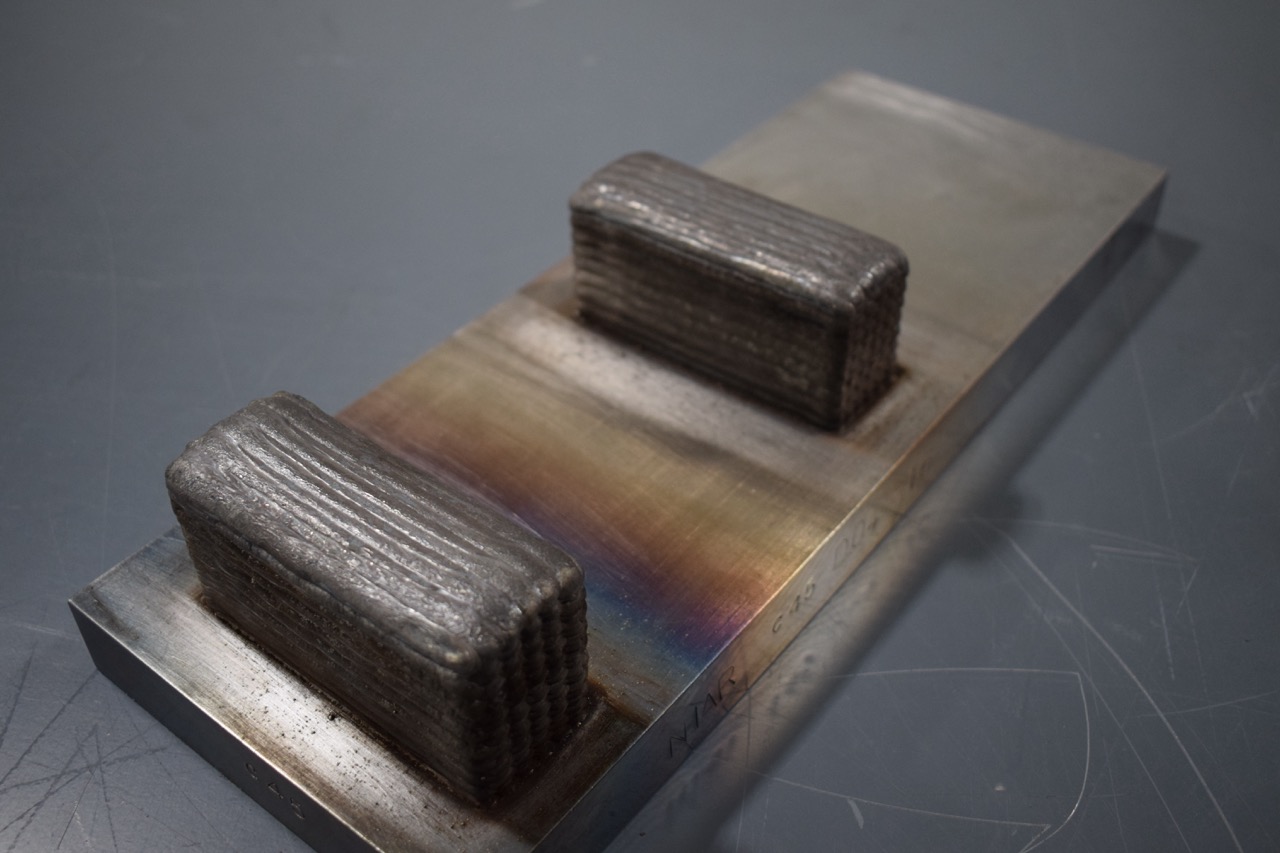
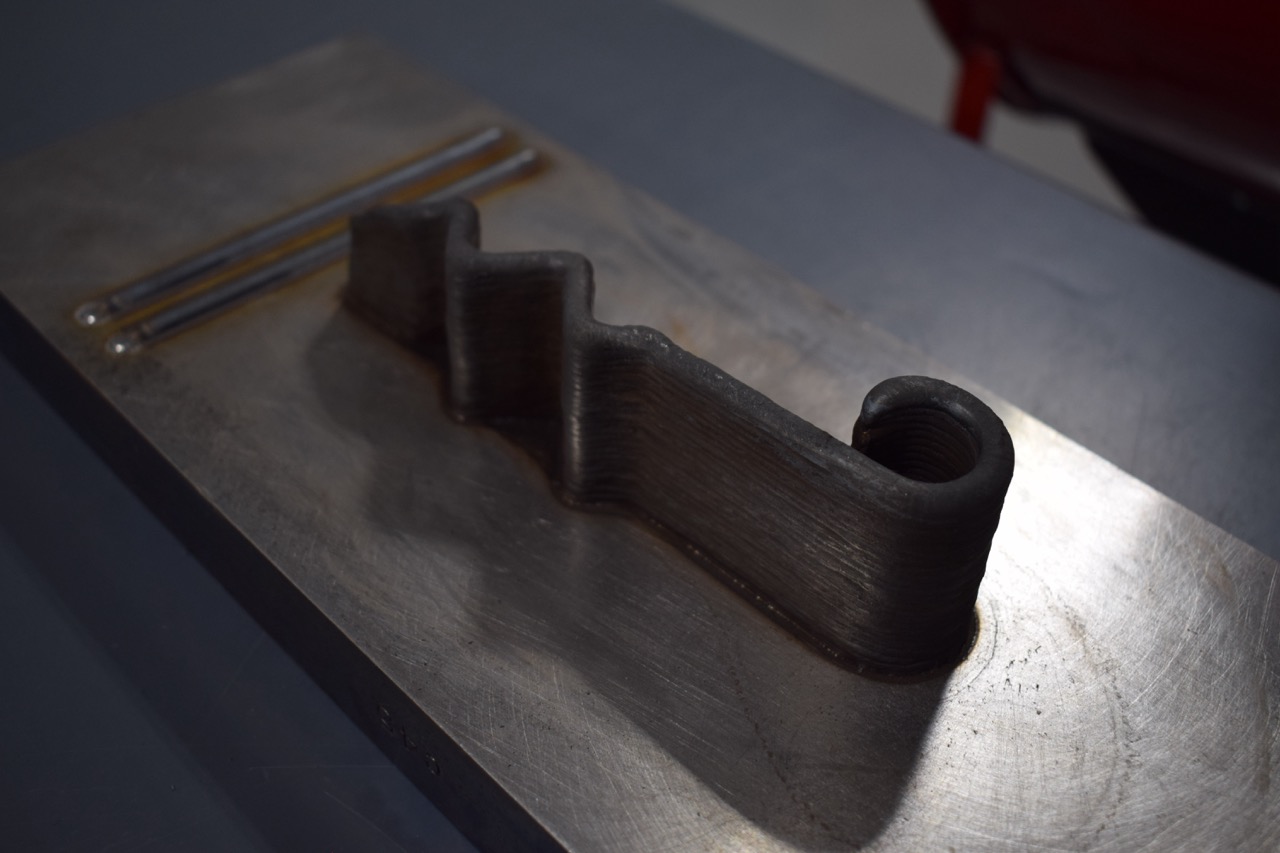
NIAR tested FETS on thick and thin wall geometries using stainless steel 17-4PH with their Fronius/ABB Wire Arc DED system. For the thick wall, four build variants were tested: no thermal management (baseline), fixed 30-second inter-layer waits, fixed 60-second inter-layer waits, and FETS dynamic optimisation. The thin wall geometry tested FETS dynamic optimisation directly. Thermal cameras provided validation ground truth.

Fast enough for production use Thick wall simulation: 2hr 39min. Thin wall: 54min. Results are available fast enough to run multiple iteration cycles in a single working day without leaving the CAM environment.

3.2% mean prediction accuracy Mean error in predicted interpass temperature, validated against thermal camera measurements across all test layers. Maximum error 6.37%. High-fidelity model accuracy without the manual setup or specialist hardware traditionally required to achieve it.

Dynamic optimisation outperformed fixed strategies FETS automatic calculations beat manually tuned wait times across all thick wall variants.

It would take about 10 minutes to configure the “environment”: heat inputs, heat dissipation
 
It would take about 2 hours to re-build the toolpathing in the simulation tool, though this may take much longer with complex parts. This is our idea for the real ‘time save’ with Aibuild FETS, since the toolpathing and simulation live in the same environment.
 
Thermal sim would take about the same time, ~<2 hours thick ~<1 hour thin, and for reference a full thermomechanical simulation would take about ~10 hours for the thickwall case.

"As a research institute serving the aerospace industry, NIAR's mission is to validate and de-risk advanced manufacturing technologies before they reach production floors. Thermal control has been one of the biggest challenges holding back metal additive at industrial scale. [...] This foundation means we're well positioned to benefit from upcoming AI enhancements that Aibuild is developing. For the aerospace manufacturers we work with, this represents a validated path forward: they can adopt large-format metal AM with the thermal process control they need, and the platform will keep getting faster as AI capabilities come online."
Jeswin J. Chankaramangalam, Program Director, NIAR

De-risking Wire Arc DED for Aerospace Adoption

NIAR’s validation gives aerospace manufacturers the one thing they needed: confidence. FETS achieves 3.2% mean prediction accuracy, integrates directly into the CAM workflow, and runs on GPU compute accessible without a $1M+ HPC investment. The thermal uncertainty that blocked production adoption of Wire Arc DED is now solved.

Manufacturers can predict thermal failures before wasting expensive materials. Development iteration moves from physical trial-and-error to software simulation. Engineers can explore applications previously considered too risky – large structural components, legacy sustainment parts facing long forging lead times, complex geometries where traditional manufacturing creates bottlenecks – and do so with validated evidence to support certification.

Aerospace supply chains are under pressure now. Forging lead times of 12–18 months are creating real programme risk across legacy sustainment and next-generation development programmes. Wire Arc DED with validated thermal process control is production-ready today, not a future technology — and NIAR’s validation provides the evidence base to act.

Future: AI-Accelerated Simulation

NIAR is well positioned to benefit from next-generation capabilities Aibuild is developing:

Residual Stress and Distortion Prediction Predict warping and distortion due to thermal cycling before printing, enabling geometry compensation for aerospace dimensional tolerances.

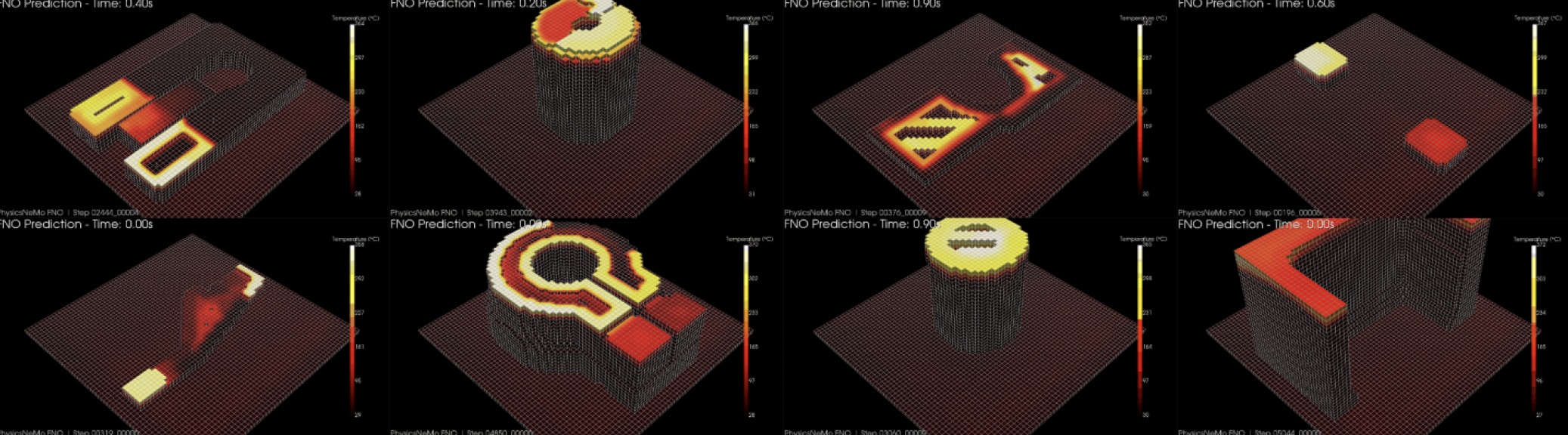
Physics AI Surrogate Model with Fourier Neural Operators 5-minute simulation time (99.9% faster than traditional tools). Real-time thermal optimisation enabling rapid exploration of multiple build strategies within hours instead of weeks.

NIAR’s validation provides a proven foundation for aerospace AM adoption — the thermal control challenge is solved, and the path to production is clear.

NIAR

Validates and de-risks advanced manufacturing technologies for U.S. aerospace manufacturers, creating standardized certification pathways that enable production adoption.

Aibuild

Delivers CAM software purpose-built for large-format additive manufacturing, with integrated finite element thermal simulation enabling production-ready process control.